AI consultancy for UK SMEs: Consultant vs agency vs in-house
Read more
Offshoring is the practice of moving business functions, roles, or operations to another country. Businesses often use offshoring to access skilled talent, reduce costs, expand capacity, or support growth.
An offshore team can work as an extension of the business, handling tasks such as customer support, software development, finance, or administration.
A 2025 survey found that 76% of UK employers struggled to fill roles because they could not find people with the right skills. As a result, many businesses are looking beyond their local market and building offshore teams to access a wider talent pool.
Offshoring can help businesses:
Many business functions can be successfully offshored, particularly roles that can be performed remotely. The right approach depends on the business, the role, and the level of collaboration required.
Common examples include:
Offshoring can bring many benefits, but it also requires planning and good management. Like any hiring strategy, there can be a learning curve when working with teams in different locations.
Common considerations include:
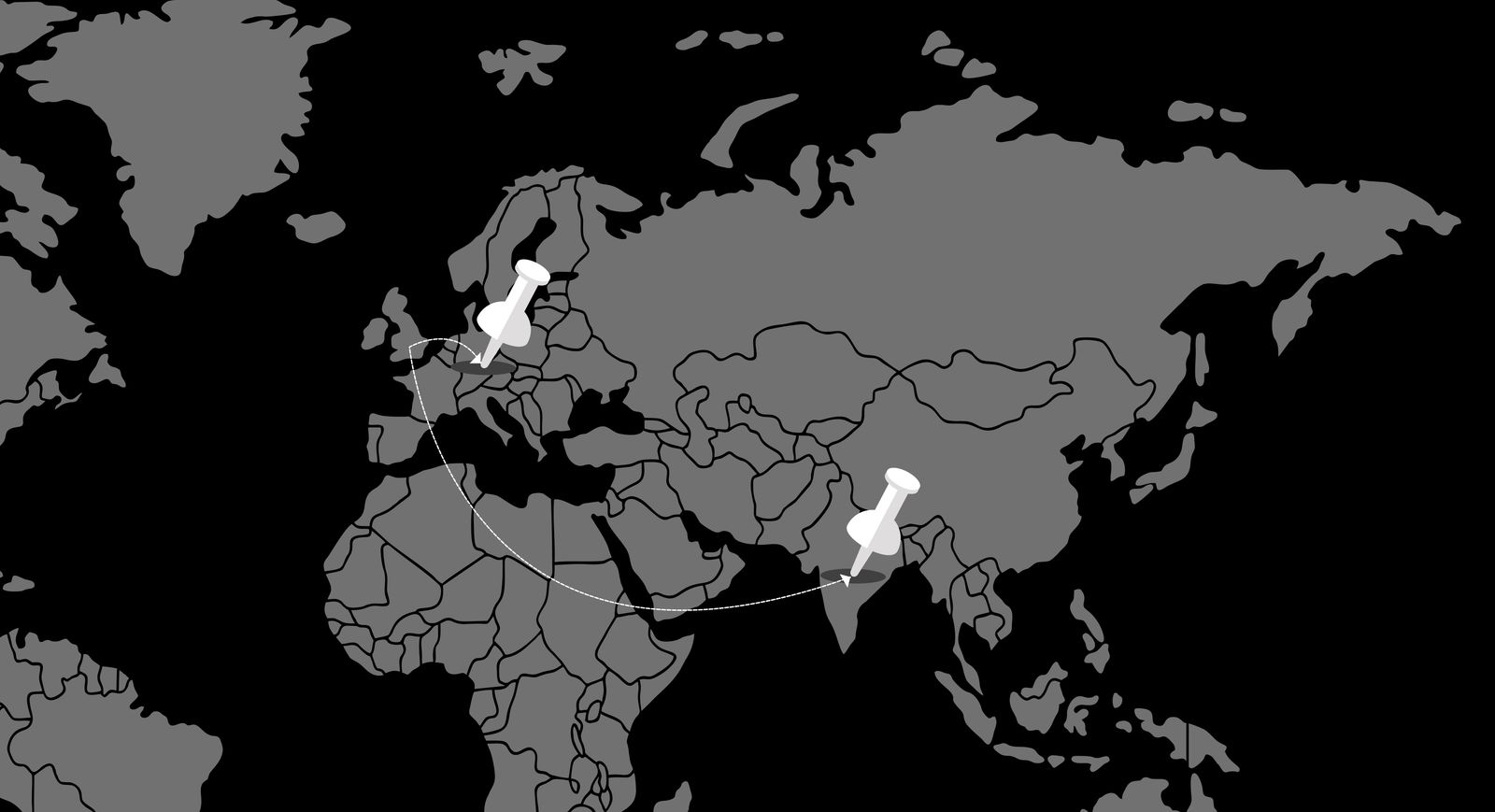
A digital marketing agency in Birmingham has grown quickly and needs extra support with reporting, data entry, and campaign administration. Hiring two additional employees in the UK would cost around £70,000-£80,000 a year once salaries, National Insurance, pensions, and recruitment costs are included.
Instead, the agency hires two offshore employees in India with equivalent experience and skills. The total annual employment cost is around £30,000-£35,000, including salaries and local employment expenses.
After training, the offshore team takes ownership of routine work, allowing the UK-based account managers to focus on client relationships and growth. As a result, the agency reduces hiring costs by around 60%, improves productivity, and takes on more clients without significantly increasing overheads.
Offshoring vs outsourcing
With offshoring, you hire employees in another country and manage them as part of your own team. With outsourcing, you hand the work over to another company and let them take care of it.
A handy way to think about it: if you're building an overseas team, that's offshoring. If you're paying someone else to do the job, that's outsourcing.
Offshoring can work well for businesses looking to reduce costs, access specialist skills, or increase capacity. However, it is not a one-size-fits-all solution. Some roles may need a local presence, while others can be performed remotely with ease.
The key is identifying which tasks can be successfully managed by an offshore team without affecting quality, customer experience, or business performance.
Black Piano is an EOR and remote talent partner that helps UK businesses hire top talent in India without the usual complexity. From recruitment and onboarding to payroll, HR, compliance, and ongoing support, everything is taken care of. You get access to skilled professionals while Black Piano handles the admin. Learn more about our services.