AI consultancy for UK SMEs: Consultant vs agency vs in-house
Read more
HRIS stands for Human Resources Information System. It is software that helps businesses manage employee data, payroll, holidays, onboarding, contracts, and HR tasks in one place. An HRIS system helps SMEs reduce admin, improve accuracy, and keep HR processes organised as teams grow.
For many SMEs, an HRIS software platform quickly becomes the difference between organised growth and complete spreadsheet chaos.
An HRIS -
Most HRIS systems include a mix of admin, payroll, reporting, and employee management tools designed to make day-to-day HR far less painful.
Top features include:
Businesses use different types of HRIS systems depending on their size, workforce, and HR needs. Some are built for simple admin tasks, while others support international hiring and long-term workforce planning.
Handles day-to-day HR activities such as employee records, payroll, attendance, and holiday tracking.
Supports recruitment, training, employee benefits, and workforce planning as the business expands.
Focuses on reporting, performance management, and people data to help businesses make long-term staffing decisions.
Used by businesses managing international employees, remote teams, multiple locations, or overseas compliance requirements.
Most SMEs start looking at HRIS software when spreadsheets, shared folders, and “quick HR fixes” stop feeling quick.
A business usually reaches that point when:
Research also shows that many SMEs are still heavily reliant on manual HR processes. A 2026 UK SME HR report found that 60% of UK SMEs still use spreadsheets for core HR tasks, while businesses adopting HR software mainly do so to improve compliance and reduce admin time.
For growing businesses, HRIS implementation is not really “upgrading HR” - it’s more about creating structure before the admin chaos catches up.
HRIS implementation does not need to become a six-month headache. For most SMEs, the process is far smoother when the basics are sorted early.
Here’s a quick checklist -
Even good HRIS software can become frustrating if the setup is rushed or the business chooses tools it does not really need. Common mistakes include:
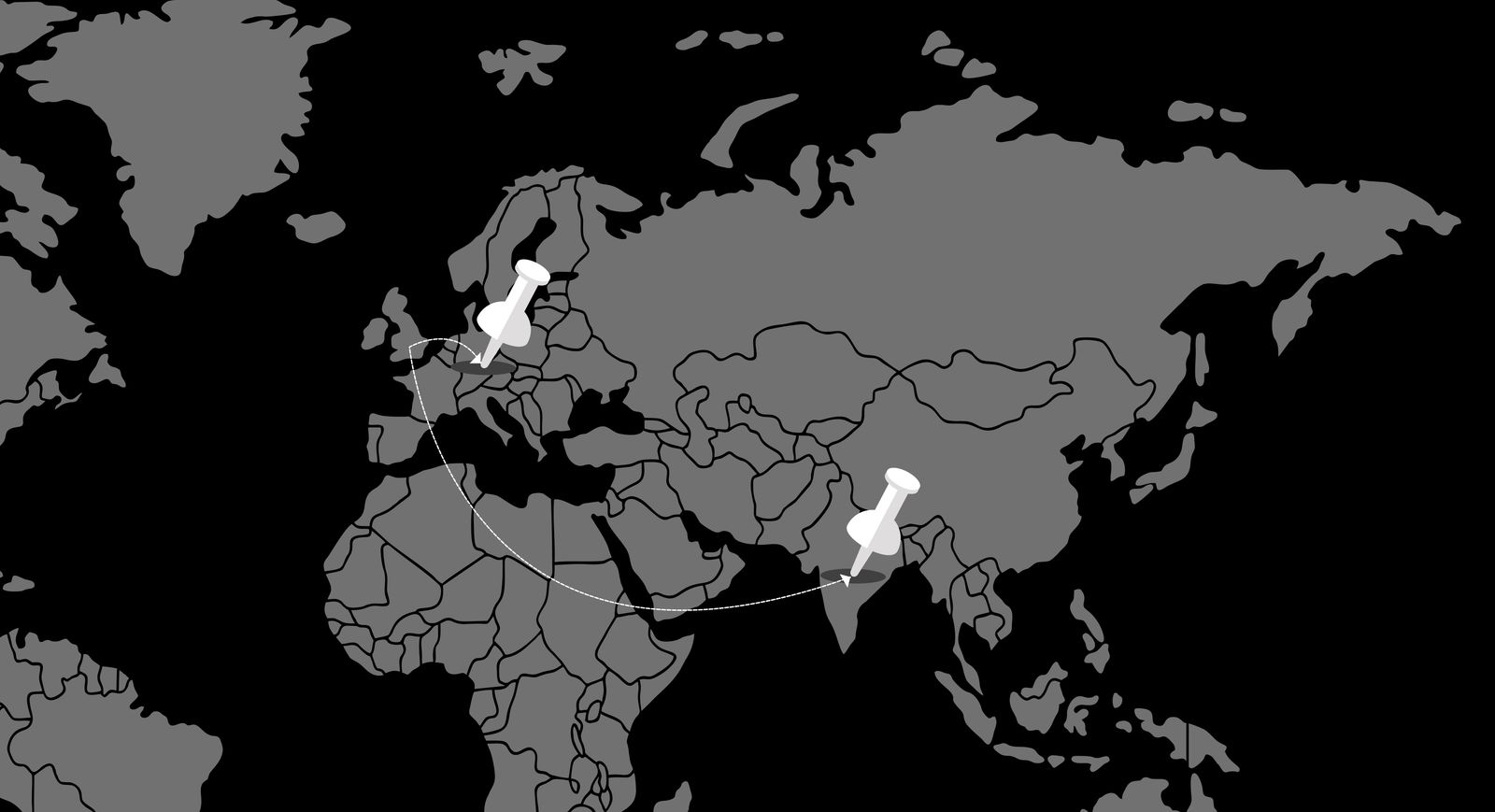
Yes. A global HRIS can help businesses manage remote and international employees more efficiently. This includes employee records, onboarding, payroll coordination, time-off tracking, contracts, and compliance across different countries.
For SMEs hiring internationally for the first time, having one central system helps reduce admin and keeps teams more organised as the business grows.
At Black Piano, we take a people-first approach to remote hiring. You work with real people who understand your business requirements, help you hire top talent, and manage everything end to end. From hiring and onboarding to ongoing support, we handle the moving parts, so your remote team does not become another headache to manage. Learn more about our HR services.