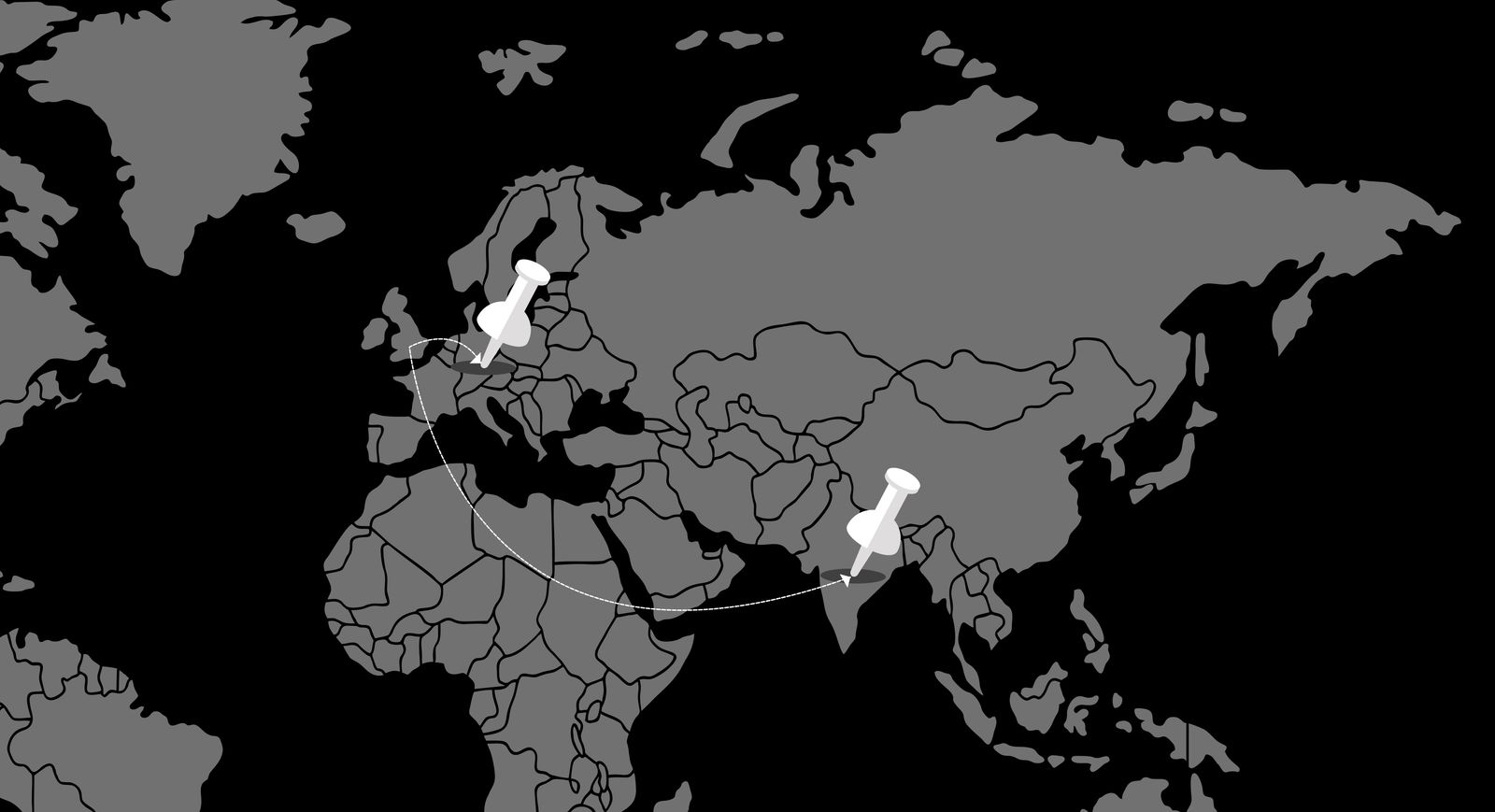
What is global payroll?
Global payroll is the process of paying employees and contractors across different countries while following local tax, employment, and payroll laws. It helps businesses manage international employee payments, currencies, deductions, and compliance in one system, without the headache of juggling separate payroll processes in every country.
How does global payroll work?
Global payroll usually follows a simple process, even when employees are spread across multiple countries.
- Collect employee data - Businesses gather salary details, working hours, bonuses, tax codes, and benefits for each country.
- Apply local payroll rules - Payroll systems calculate tax, pension, social contributions, and deductions based on local laws.
- Convert currencies if needed - Employees are paid in their local currency using current exchange rates.
- Process international payments - Salaries are sent to employees, contractors, and tax authorities in different countries.
- Maintain compliance records - Payroll reports, payslips, and tax filings are stored to meet local compliance requirements.
- Monitor updates and law changes - Global payroll providers track changing tax and employment rules to help businesses stay compliant.
Why global payroll matters for businesses
Hiring internationally may have gotten easier – but paying people correctly across different countries? That is where things get tricky.
Global payroll helps businesses manage:
- Pension and social contributions
- International employee payments
Without a proper system, payroll errors can become expensive. A 2026 UKG and KPMG study found that nearly 40% of employers lose millions each year because of global payroll mistakes and fragmented processes.
Compliance is also a growing challenge. In PayrollOrg’s 2025 survey, 57% of payroll professionals said local compliance was their biggest global payroll issue.
For growing UK businesses with remote or international teams, good global payroll is much more than just admin; It is risk management with payslips attached.
Common challenges with global payroll
Managing payroll across countries can turn into a spreadsheet-fuelled nightmare quite quickly. Common global payroll challenges include:
- Different tax laws - Every country has its own payroll taxes, reporting rules, and deadlines.
- Currency fluctuations - Exchange rates can affect salary payments and payroll budgeting.
- Compliance risks - Employment laws, pension rules, and statutory benefits vary between countries and change regularly.
- Multiple payroll systems - Using separate local providers can create inconsistent data and reporting issues.
- Late or incorrect payments - Errors with bank transfers, deductions, or tax calculations can damage employee trust.
- Data security concerns - Payroll contains sensitive employee information that must be handled securely and in line with GDPR and local privacy laws.
- Time zone and communication issues - Coordinating payroll approvals and deadlines across regions can slow processes down.
- Worker classification mistakes - Misclassifying contractors and employees in different countries can lead to fines and legal trouble.
Ways to run global payroll
Businesses usually manage global payroll in one of four ways, depending on their size, budget, and international setup.
- In-house global payroll - The business manages payroll internally using its own HR and finance teams in each country.
- Local payroll providers - Separate payroll companies handle payroll in different countries. Common for businesses expanding gradually.
- Global payroll systems - One central platform combines payroll data, reporting, and compliance across multiple countries.
- Employer of Record (EOR) payroll - An Employer of Record hires and pays workers on behalf of the business, while handling local compliance and employment responsibilities.
Many growing UK businesses start with local providers, then move to centralised global payroll systems or EOR support as their international teams grow.
Common mistakes to avoid
Businesses new to global payroll often assume it works the same way everywhere. Sadly, HMRC-style logic does not travel very well.
Common mistakes include:
- Assuming one payroll process fits every country - Tax rules, benefits, and reporting requirements vary widely.
- Paying workers without checking local laws - Even remote employees may trigger local tax or employment obligations.
- Misclassifying contractors - Treating employees as freelancers can lead to fines and backdated payments.
- Ignoring currency and payment fees - International transfers can create unexpected costs and delays.
- Relying on spreadsheets alone - Manual payroll tracking increases the risk of errors and compliance issues.
- Overlooking data protection rules - Payroll data must comply with GDPR and local privacy regulations.
- Not planning for growth - A payroll setup that works for two overseas hires may struggle with twenty. So, businesses need to plan for the future.
How can Black Piano help?
Hiring internationally sounds exciting. Managing payroll, compliance, and local employment rules is where businesses feel stuck.
Black Piano’s expert EOR services help UK businesses hire and manage remote talent in India with support for compliant payroll, contracts, and international team setup. As your team grows, we help keep global hiring simple, scalable, and far less stressful.