AI consultancy for UK SMEs: Consultant vs agency vs in-house
Read more
Global mobility services help businesses manage employees working across different countries. This includes employee relocation services, visa and immigration support, tax compliance, payroll coordination, and workforce relocation planning.
They help companies move talent internationally while staying compliant, reducing admin headaches, and keeping employees supported during international assignments.
Global mobility is becoming a much bigger priority for employers. The 2025 KPMG Global Mobility Benchmarking Report found that 62% of organisations plan to increase technology investment in mobility programmes.
Global mobility services cover the legal, practical, and people side of moving employees internationally. The exact support depends on the business, the country involved, and the type of role.
Common global mobility services include:
Global mobility services manage the full process of moving employees between countries for work. They help businesses handle visas, payroll, tax compliance, relocation logistics, and employee support, all while making sure everything stays legally compliant.
A typical global mobility process looks like this:
Global mobility services help businesses manage international hiring and employee relocation properly. Without the right support, cross-border workforce management can quickly become expensive, slow, and legally risky.
They matter because they help businesses:
Global mobility sounds exciting on paper. In reality, it can turn into a paperwork marathon if it is not managed properly. Common global mobility challenges include:
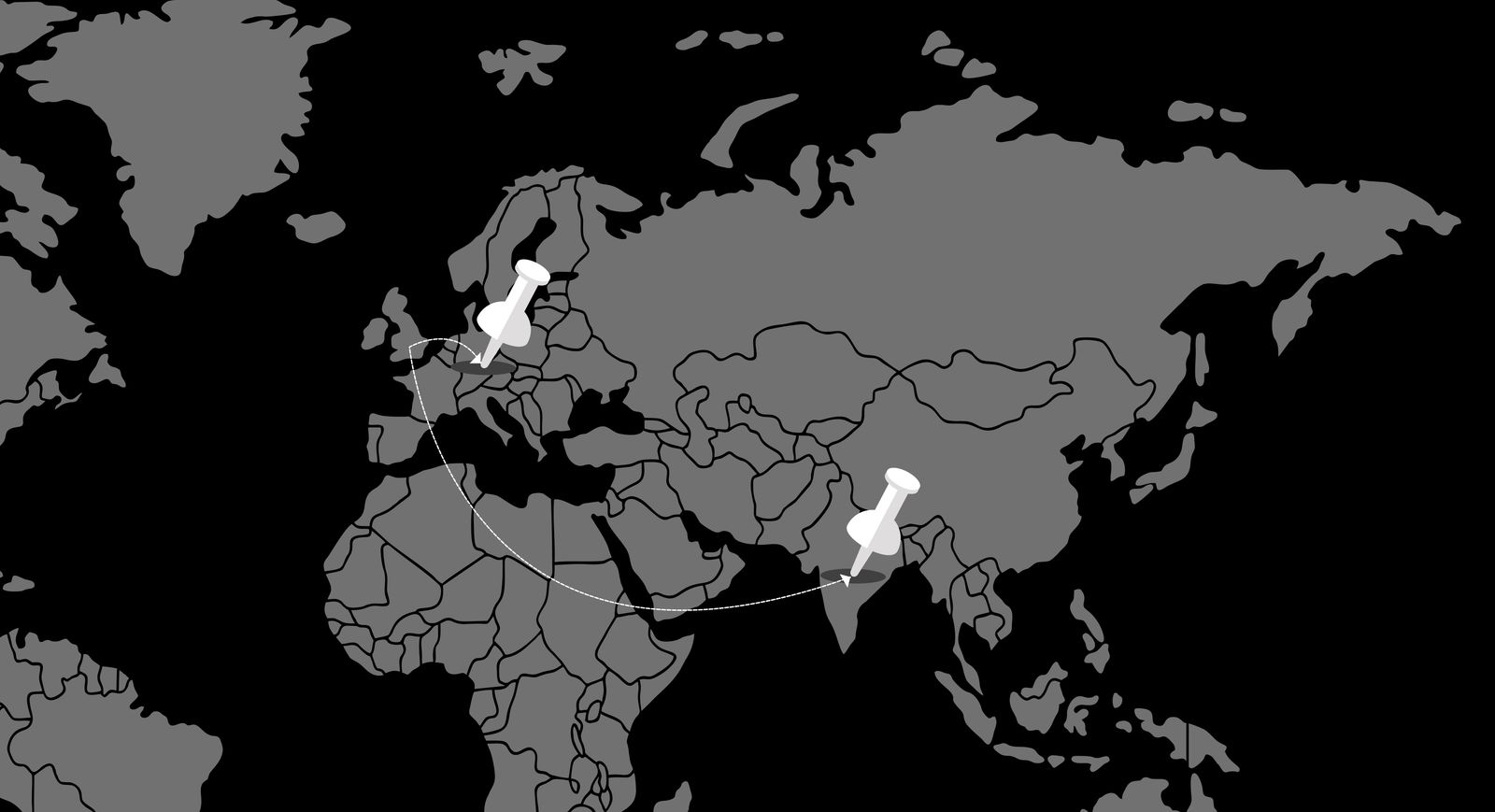
A UK marketing agency hires a senior developer from India to support a growing client account. The employee needs to relocate to the UK within three months, but the business has never handled international employee mobility before.
The company quickly runs into problems:
A global mobility provider steps in to manage the process. They arrange visa and immigration support, coordinate payroll setup, help with relocation logistics, and make sure the business follows UK employment and tax rules.
Instead of spending months figuring everything out alone, the agency gets the employee onboarded smoothly and avoids costly compliance mistakes.
Employee relocation is one part of global mobility, but they are not the same thing. Relocation mainly focuses on physically moving employees.
Global mobility covers the wider strategy, including immigration, tax, payroll, compliance, and long-term workforce planning for international employees.
Businesses usually need global mobility support when:
Getting support early helps businesses avoid delays, compliance risks, and expensive admin mistakes later on.
For example, some businesses hire remote talent first and relocate employees later as the team grows. When companies hire through Black Piano and later wish to transfer that talent to the UK, Black Piano helps support the visa and relocation process as part of the wider transition. Feel free to contact us to learn more.