Burnout prevention

Glossary >
Burnout prevention

What is burnout prevention?

Burnout prevention means taking steps to reduce stress, pressure, and exhaustion before they turn into full workplace burnout. It involves creating healthier workloads, better support systems, and a positive working environment where employees can switch off occasionally without feeling guilty for not replying to emails at 10pm.

Causes and signs of burnout

Workplace burnout usually develops over time rather than overnight. In many UK businesses, it starts when pressure becomes part of the daily routine.

Common causes of burnout:

  • Heavy workloads  
  • Long working hours  
  • Lack of support from managers  
  • Unclear job expectations  
  • Poor work-life balance  
  • Constant pressure to stay available  

Common signs of burnout:

  • Constant tiredness  
  • Low motivation  
  • Irritability or low mood  
  • Difficulty concentrating  
  • More sick days  
  • Feeling disconnected from work  

According to Mind UK’s “Dealing with burnout when working from home” guide, burnout can lead to exhaustion, anxiety, poor sleep, and reduced performance at work.

Why burnout prevention matters for businesses

Burnout does not just affect employees. It affects productivity, retention, morale, and customer service too. When teams are overstretched, mistakes increase and motivation drops. For SMEs, that can quickly impact growth and day-to-day operations.

According to CIPD’s Health and Wellbeing at Work survey, stress remains one of the leading causes of long-term absence in UK workplaces.  

Businesses that prevent employee burnout often see:

  • Better productivity and focus  
  • Higher employee retention  
  • Fewer sick days and absences  
  • Stronger team morale  
  • Better customer service  
  • Lower recruitment and training costs

Example of burnout prevention in a business

Matt, the founder of a small design agency in Bristol, noticed his team was struggling during a busy client launch period. One employee had started missing deadlines, another was replying to emails past midnight, and sick days were becoming more common.

To prevent workplace burnout, Matt:

  • Reduced unnecessary internal meetings  
  • Introduced protected lunch breaks  
  • Asked managers to review workloads every Friday  
  • Encouraged staff to stop checking emails after work  

Within a few months, the team became more productive, communication improved, and staff stress levels noticeably dropped.

Difference between burnout prevention and stress management

Burnout prevention Stress management
Focuses on stopping workplace burnout before it happens Focuses on coping with stress that already exists
Looks at workloads, culture, and working habits Looks at techniques like breaks, exercise, or mindfulness
Usually involves business-wide changes Often focuses on individual support
Long-term approach Short-term or day-to-day approach


Simply put, burnout prevention fixes the cause, while stress management helps people handle the symptoms.

Common misconceptions about burnout prevention

Common myths around burnout prevention include:

  • “Burnout only happens in large companies”  
  • “A pizza party and yoga session will fix it”  
  • “Hard-working employees should just cope with pressure”  
  • “Burnout is the same as having a stressful week”  
  • “Only employees are responsible for managing burnout”  

In reality, preventing workplace burnout usually requires better workloads, communication, and management support.

How Black Piano help with employee wellbeing

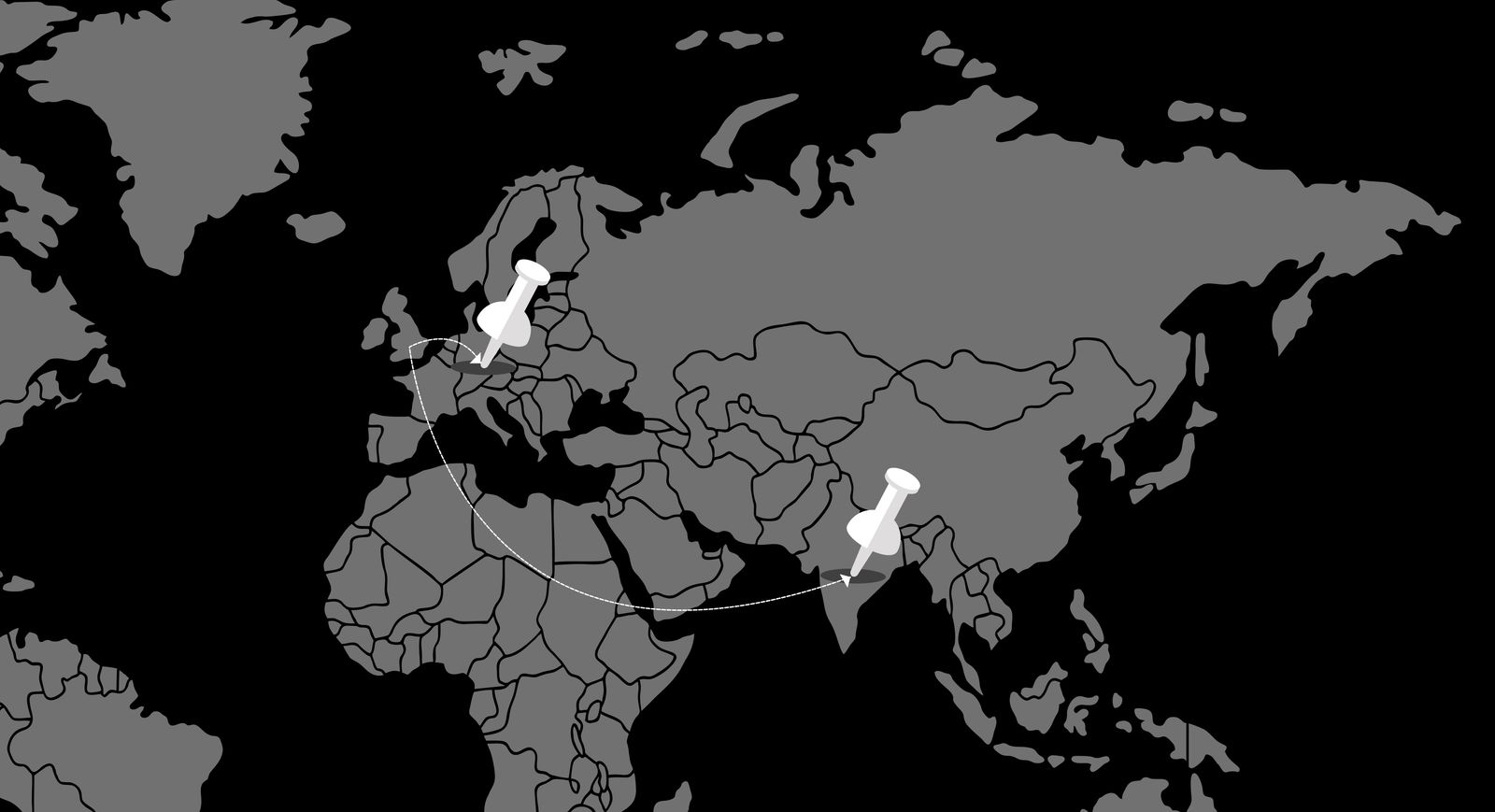
Black Piano helps UK businesses hire top remote talent in India while fully managing employee wellbeing, HR, payroll, and ongoing support.  

With a 98% retention rate, businesses get happier, more stable teams without the usual management headaches. Easier for employers. Better for employees.

Learn more about Black Piano and our services.

Related terms

Yield ratio
Read more
Year to date (YTD)
Read more
Work from anywhere
Read more
Virtual employee
Read more
Virtual assistants
Read more
Vetting process
Read more
Variable compensation
Read more
Vendor Management System (VMS)
Read more
Year-end tax forms
Read more
Year-end document
Read more
Work permit
Read more
Work-life balance
Read more
Work from home (WFH)
Read more
Upward feedback
Read more
Upskilling
Read more
Unlimited PTO
Read more
Unified Endpoint Management (UEM)
Read more
Umbrella company
Read more
Tax compliance
Read more
Just-in-Time (JIT)
Read more
Job function
Read more
Job interview
Read more
Job description
Read more
Job board
Read more
IT support
Read more
Intellectual property (IP) protection
Read more
Identity Governance and Administration (IGA)
Read more
Independent contractor
Read more
Human Capital Management (HCM)
Read more
Contract hire
Read more
Human Resource Management System (HRMS)
Read more
HRIS (Human Resources Information System)
Read more
Headhunting
Read more
Headcount
Read more
Talent mapping
Read more
Talent management
Read more
Talent acquisition
Read more
Take-home pay
Read more
Skills gap analysis
Read more
Salary review
Read more
Salary benchmarking
Read more
Salary band
Read more
Salaried employee
Read more
Remote hiring
Read more
Recruitment Process Outsourcing (RPO)
Read more
Recruitment
Read more
Real-time payroll
Read more
Real Time Information (RTI)
Read more
Quality of hire
Read more
Payroll outsourcing
Read more
Payroll management
Read more
Payroll
Read more
Paid holiday
Read more
P45/P60
Read more
Onboarding
Read more
OKR framework
Read more
Offshoring
Read more
Offer letter
Read more
Offboarding
Read more
Gross pay
Read more
Notice period
Read more
Non-compete clause
Read more
Global payroll
Read more
Global mobility services
Read more
Gig economy
Read more
Global mobility
Read more
GDPR compliance
Read more
FTE (Full-Time Equivalent)
Read more
Freelancer
Read more
Flexible working hours
Read more
4 Day work week (Remote)
Read more
Fixed term contract
Read more
Fixed price contract
Read more
Employee benefits
Read more
Employee Assistance Program (EAP)
Read more
Employee
Read more
Earned Wage Access (EWA)
Read more
Direct hire
Read more
Diversity hire
Read more
DPA (Data Processing Agreement)
Read more
Data protection policy
Read more
Data privacy
Read more
Cost per hire
Read more
Career development
Read more
Competency based interview
Read more
Net pay
Read more
Nearshoring
Read more
National Insurance (UK)
Read more
Mobile device management (MDM)
Read more
Mobile employee
Read more
Maternity leave
Read more
Managed service provider (MSP)
Read more
Managed payroll
Read more
Learning management system (LMS)
Read more
Leadership pipeline
Read more
Labour law
Read more
Labour arbitrage
Read more
Knowledge transfer
Read more

About Us

Lorem ipsum dolor sit amet, consectetur adipiscing elit, sed do eiusmod tempor incididunt ut labore et dolore magna aliqua. Ut enim ad minim veniam, quis nostrud exercitation ullamco laboris nisi ut aliquip ex ea commodo consequat. Duis aute irure dolor in reprehenderit in voluptate velit esse cillum dolore eu fugiat nulla pariatur.
Learn more about our story
Right arrow

Read our blogs

Lorem ipsum dolor sit amet, consectetur adipiscing elit, sed do eiusmod tempor incididunt ut labore view all blogs.
Outsourcing digital marketing: What UK SMEs should know (& a better way to scale)
Read More
Outsource SEO services: What SMEs should know in 2026
Read More
Customer service outsourcing: A practical guide with smarter alternatives
Read More