Absenteeism

Glossary >
Absenteeism

What is absenteeism?

Absenteeism is when an employee regularly misses work without a planned or valid reason. It can include frequent sick days, lateness, or repeated no-shows. Employee absenteeism affects productivity, team morale, and business costs, especially for smaller businesses where every team member plays an important role.

Causes and effects of absenteeism

Common causes of absenteeism at work

  • Stress and burnout  
  • Physical or mental health issues  
  • Poor workplace culture  
  • Low employee morale  
  • Caring responsibilities  
  • Workplace conflict or poor management  
  • Lack of engagement or motivation  

Effects of employee absenteeism

  • Reduced productivity  
  • Missed deadlines and disrupted workflows  
  • Higher overtime or temporary staffing costs  
  • Increased pressure on other team members  
  • Lower morale across the business  
  • A rising absenteeism rate that may signal deeper workplace problems

Why absenteeism matters for businesses

A random sick day? Normal.
A growing pattern of employee absenteeism? That is where things start getting pricey.

According to CIPD’s Health and Wellbeing at Work report, UK employees now take an average of 9.4 sick days per year - the highest level recorded in more than 15 years. Mental ill health and stress are among the biggest drivers of long-term absence.

That means spotting patterns early is crucial for your business. A rising absenteeism rate can signal burnout, poor workplace culture, or workloads that are quietly running people into the ground.

Example of absenteeism in a business scenario

The situation

A plumbing business in Leeds notices one engineer is regularly off sick during busy periods.

The impact

The absences begin causing:

  • Delayed customer callouts  
  • Extra pressure on other engineers  
  • Higher overtime costs  
  • Frustrated customers and rushed jobs  

The outcome

After reviewing attendance patterns, the business discovers workload stress and long hours are contributing to the issue. Better shift planning and clearer workload management will help reduce absenteeism and improve team morale.

Difference between absenteeism and presenteeism

Both absenteeism and presenteeism affect productivity, morale, and employee wellbeing - but in different ways. One is visible through absence. The other is often hidden behind a laptop screen and a brave face.

Absenteeism Presenteeism
Employees regularly miss work or take unplanned absences. Employees come to work despite being unwell, stressed, or struggling to perform.
Easier for businesses to track through attendance records. Often harder for employers to notice.
Can disrupt staffing, deadlines, and workloads. Can lower productivity and increase burnout over time.
Usually measured through absenteeism rates. Often linked to pressure, stress, or poor workplace culture.

Common misconceptions about absenteeism

  • “Absenteeism just means employees are lazy” - Not always. Stress, burnout, illness, and poor workplace culture are common causes.  
  • “Remote teams do not struggle with absenteeism” - Absenteeism in remote teams still happens, though it may look different and be harder to spot early.  
  • “Strict policies alone fix attendance problems” - Supportive management and realistic workloads usually work far better long term.

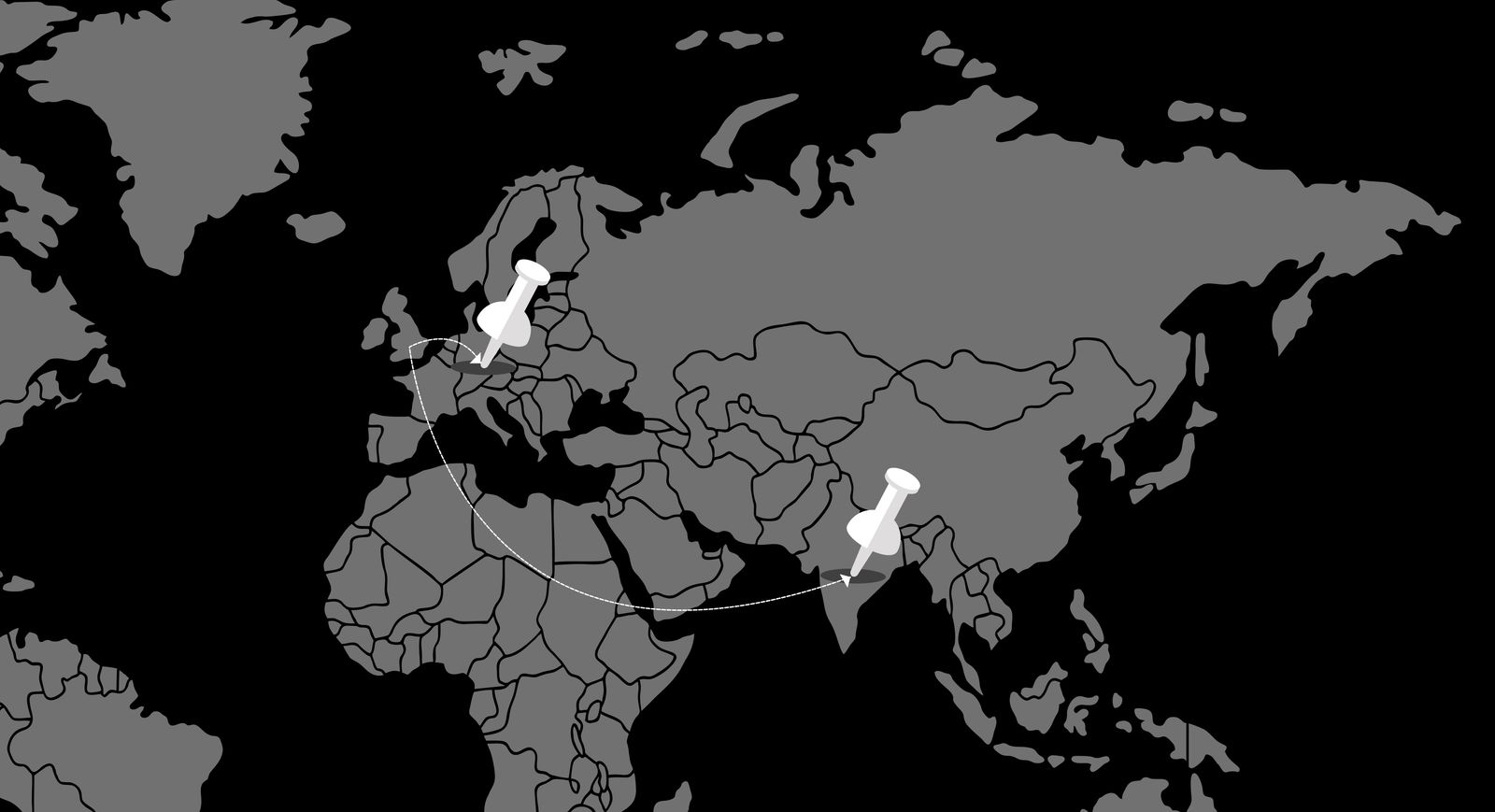
Black Piano ensures the utmost employee wellbeing for businesses hiring remote talent in India. That’s a top reason why we maintain a 98% employee retention rate year-after-year! Learn more about us.

Contents

Related terms

Yield ratio
Read more
Year to date (YTD)
Read more
Work from anywhere
Read more
Virtual employee
Read more
Virtual assistants
Read more
Vetting process
Read more
Variable compensation
Read more
Vendor Management System (VMS)
Read more
Year-end tax forms
Read more
Year-end document
Read more
Work permit
Read more
Work-life balance
Read more
Work from home (WFH)
Read more
Upward feedback
Read more
Upskilling
Read more
Unlimited PTO
Read more
Unified Endpoint Management (UEM)
Read more
Umbrella company
Read more
Tax compliance
Read more
Just-in-Time (JIT)
Read more
Job function
Read more
Job interview
Read more
Job description
Read more
Job board
Read more
IT support
Read more
Intellectual property (IP) protection
Read more
Identity Governance and Administration (IGA)
Read more
Independent contractor
Read more
Human Capital Management (HCM)
Read more
Contract hire
Read more
Human Resource Management System (HRMS)
Read more
HRIS (Human Resources Information System)
Read more
Headhunting
Read more
Headcount
Read more
Talent mapping
Read more
Talent management
Read more
Talent acquisition
Read more
Take-home pay
Read more
Skills gap analysis
Read more
Salary review
Read more
Salary benchmarking
Read more
Salary band
Read more
Salaried employee
Read more
Remote hiring
Read more
Recruitment Process Outsourcing (RPO)
Read more
Recruitment
Read more
Real-time payroll
Read more
Real Time Information (RTI)
Read more
Quality of hire
Read more
Payroll outsourcing
Read more
Payroll management
Read more
Payroll
Read more
Paid holiday
Read more
P45/P60
Read more
Onboarding
Read more
OKR framework
Read more
Offshoring
Read more
Offer letter
Read more
Offboarding
Read more
Gross pay
Read more
Notice period
Read more
Non-compete clause
Read more
Global payroll
Read more
Global mobility services
Read more
Gig economy
Read more
Global mobility
Read more
GDPR compliance
Read more
FTE (Full-Time Equivalent)
Read more
Freelancer
Read more
Flexible working hours
Read more
4 Day work week (Remote)
Read more
Fixed term contract
Read more
Fixed price contract
Read more
Employee benefits
Read more
Employee Assistance Program (EAP)
Read more
Employee
Read more
Earned Wage Access (EWA)
Read more
Direct hire
Read more
Diversity hire
Read more
DPA (Data Processing Agreement)
Read more
Data protection policy
Read more
Data privacy
Read more
Cost per hire
Read more
Career development
Read more
Competency based interview
Read more
Net pay
Read more
Nearshoring
Read more
National Insurance (UK)
Read more
Mobile device management (MDM)
Read more
Mobile employee
Read more
Maternity leave
Read more
Managed service provider (MSP)
Read more
Managed payroll
Read more
Learning management system (LMS)
Read more
Leadership pipeline
Read more
Labour law
Read more
Labour arbitrage
Read more
Knowledge transfer
Read more

About Us

Lorem ipsum dolor sit amet, consectetur adipiscing elit, sed do eiusmod tempor incididunt ut labore et dolore magna aliqua. Ut enim ad minim veniam, quis nostrud exercitation ullamco laboris nisi ut aliquip ex ea commodo consequat. Duis aute irure dolor in reprehenderit in voluptate velit esse cillum dolore eu fugiat nulla pariatur.
Learn more about our story
Right arrow

Read our blogs

Lorem ipsum dolor sit amet, consectetur adipiscing elit, sed do eiusmod tempor incididunt ut labore view all blogs.
Outsourcing digital marketing: What UK SMEs should know (& a better way to scale)
Read More
Outsource SEO services: What SMEs should know in 2026
Read More
Customer service outsourcing: A practical guide with smarter alternatives
Read More